Holly Near on Krissy Keefer

“SHE is fierce.”

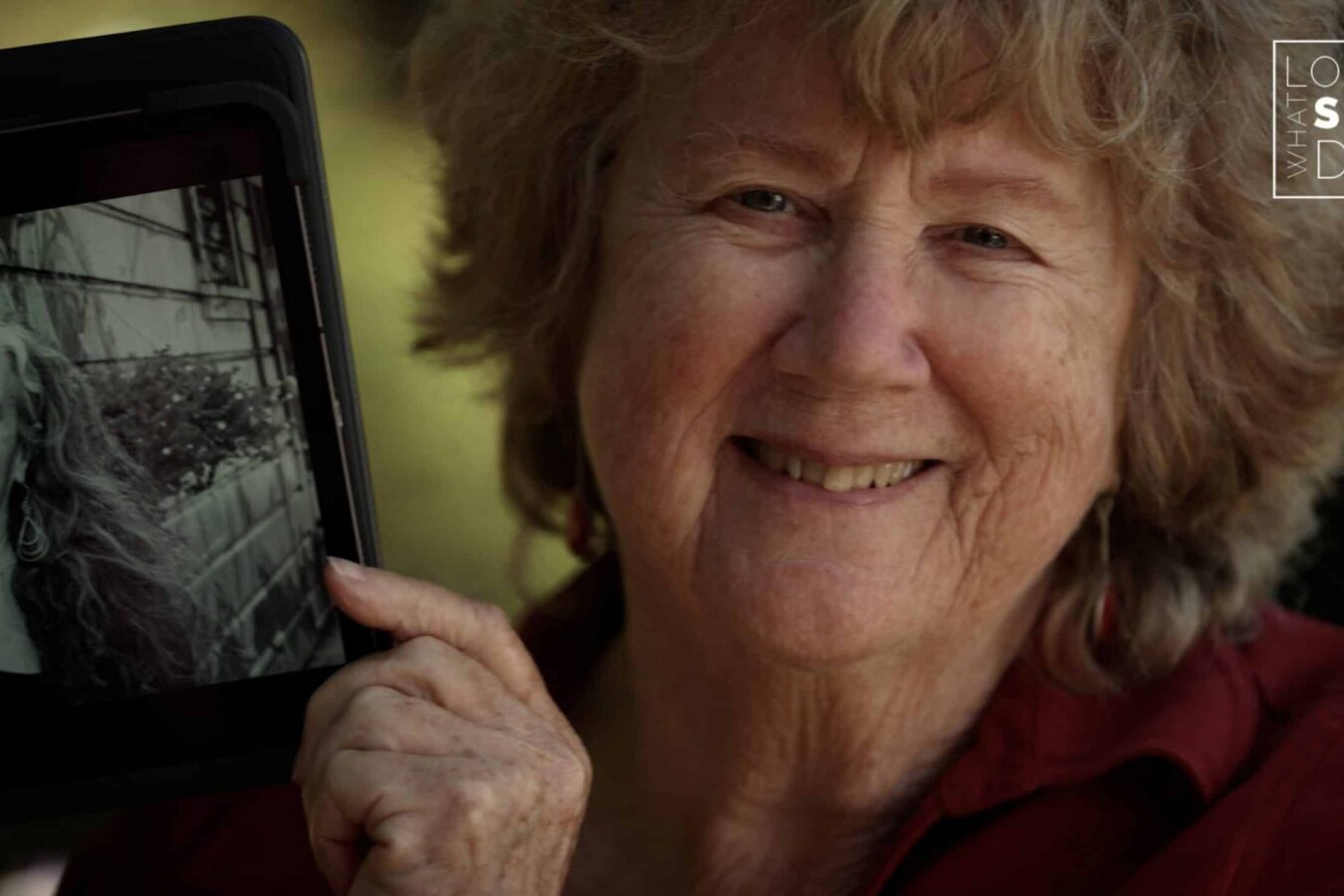
Holly Near, a beloved founding mother of the women’s music movement of the late 20th century, discusses the artistry and influence of KRISSY KEEFER, a contemporary of Near's and a pioneer of feminist dance. Keefer’s desire to blend her activism and choreographic talent was the impetus for the creation of the Wallflower Order Dance Collective, hailed as the first dance company in the country to address lesbianism, feminism, racism, imperialism and other issues not typically explored in dance performance. Keefer's career has been defined by her commitment to social justice and global political causes. Upon the 50th anniversary of Dance Brigade, another company Keefer founded, she said: “It has been a long and storied career, with multiple ups and downs, exhilarating performances, and economic chaos and uncertainty. We are hoping to move into a new era of peace and justice where the arts play a pivotal role in the future of humanity.”

Storyteller

Holly Near

After 50 years of bold work, Holly Near is one of our most consistent and well-informed voices for change. An outspoken performer and ambassador for peace, Near brings a unique integration of world consciousness and self-evaluation, always growing and generously sharing her experience. She discovered her voice at an early age, learning to sing along with recordings of some of the world’s great singers. After graduating high school, Near attended UCLA but her academic journey ended after just a few months when she was spotted by agents and drawn into the world of film and television. She did guest spots on television shows and played supporting roles in feature films. After a stint on Broadway, she turned to singing and songwriting full time. Throughout her career she has enjoyed collaborations with such artists as Mercedes Sosa, Ronnie Gilbert, Inti Illimani, Emma’s Revolution, and her long-time songwriting partner, the late Jeff Langley.

In her early twenties, Near traveled with Free The Army and the Indochina Peace Campaign; this experience enabled her to learn about the consequences of the military industrial complex. While on the FTA tour in 1971, Near was introduced to the concept of global feminism. By 1974 she was crossing paths and sharing songs with the wave of new lesbian feminist performers such as Meg Christian, Cris Williamson, Linda Tillery, Mary Watkins, and Alive! Near dove into the feminist movement, bringing her newfound understanding to her work as an artist. As a songwriter Near transforms large concepts into small, personal stories. In response to the slaughter of the students at Kent State, she wrote It Could Have Been Me. And following the assassinations of Mayor George Moscone and Supervisor Harvey Milk in San Francisco, she penned Singing For Our Lives, which has become an anthem for the LGBTQ community and appears in the Unitarian Church hymnal. In 2019, Near established the website Because of a Song (becauseofasong.com), an online archive of artists who rose from the women’s music scene in Oakland, California. A recipient of dozens of awards from organizations such as the ACLU and the National Organization of Women, Near was one of Ms. Magazine’s Women of the Year recipients and has been nominated for Grammys as well as the Legends of Women’s Music Award.
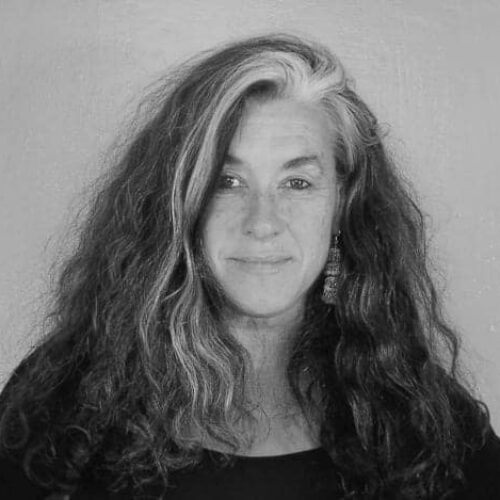
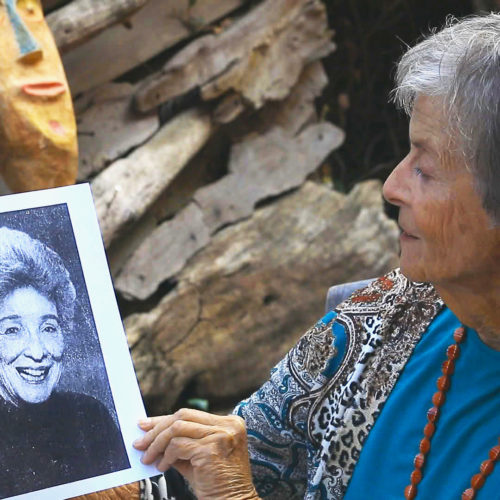
Featured Woman

Krissy Keefer

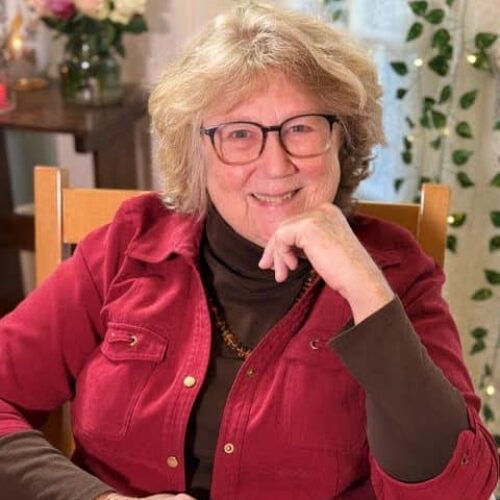
Krissy Keefer grew up in South Carolina, where she was exposed to lingering apartheid: “Everything was completely segregated: the water fountains you could use; where you could go swimming; where you went to school; and how you interacted with black people specifically. And the dominant question was always, “Are you a Yankee or a rebel?” Literally, we were still asking that question through grade school.” Keefer studied ballet until the age of 13 but was not encouraged to pursue the art form due to her body type. However, she never stopped dancing and majored in dance at the University of Oregon. While in college she was exposed to the bourgeoning women’s movement, and it was in that environment that she was inspired to merge her passion for dance with her commitment to social justice. In 1975 she co-founded The Wallflower Order Dance Collective with Laurel Near (Holly Near’s sister), Alex Dunnette and Linda Rose. After 10 years of creating and touring, the Collective disbanded and Keefer founded a second company, the Dance Brigade. From its inception through 1998, the organization established a home season, built a devoted audience, toured nationally, and staged full-length performances that explored critical social justice issues. In 1998, Keefer developed a thriving professional dance/arts center with a range of programs serving multicultural adult and youth students, artists and audiences. She is a long-time resident of the San Francisco Mission District.